How To Follow Qualified And Safe Production Procedures?
 Ouqian
 Jan 15,2026
Ouqian Cosmetics factory is a leading manufacturer in China and have our own R&D team with 20 years experience in color cosmetics market.
Precision in Every Step, Crafting High Quality — A Comprehensive Analysis of the Cosmetics Production Process and Quality Control Safety
The birth of high-quality cosmetics is never a mere accident in a single step
But rather the result of meticulous craftsmanship throughout the entire process—from raw material selection to final product release—and the unwavering commitment to quality control and safe production
Behind every bottle of beauty product lies a rigorous, standardized production system and nearly stringent quality standards
Below, we will explore the key logic behind high-quality cosmetic manufacturing through ten core questions.
1. How to establish the first line of defense for quality before raw materials enter the factory?
As a
color cosmetic factory, we know the raw materials are the foundation of cosmetic quality, and the selection and inspection of high-quality ingredients are the primary prerequisite for production.
Manufacturers establish strict supplier qualification mechanisms, conducting comprehensive reviews of raw material origins, purity, and component stability.
After raw materials arrive at the factory, they undergo multiple inspections: sensory checks verify appearance and odor compliance,
while physicochemical tests confirm key parameters such as active ingredient content, heavy metals, and microbial levels.
Only materials that meet both national standards and internal company controls are allowed into storage, ensuring that substandard raw materials are prevented from entering production from the very beginning.
2. How to ensure stability and safety during the formula development and trial production phases?
The formula is the core competitiveness of cosmetics and directly relates to product safety.
The R&D team conducted thousands of experiments and adjustments to ensure the formulation is scientifically sound, balancing effectiveness with gentleness.
During the trial production phase, long-term stability testing is conducted to simulate changes in product characteristics under various temperature and humidity conditions;
Conduct safety assessments for irritancy, allergenicity, etc., verifying product safety through in vitro tests and human patch tests.
Only formulations that pass comprehensive testing can proceed to large-scale production.
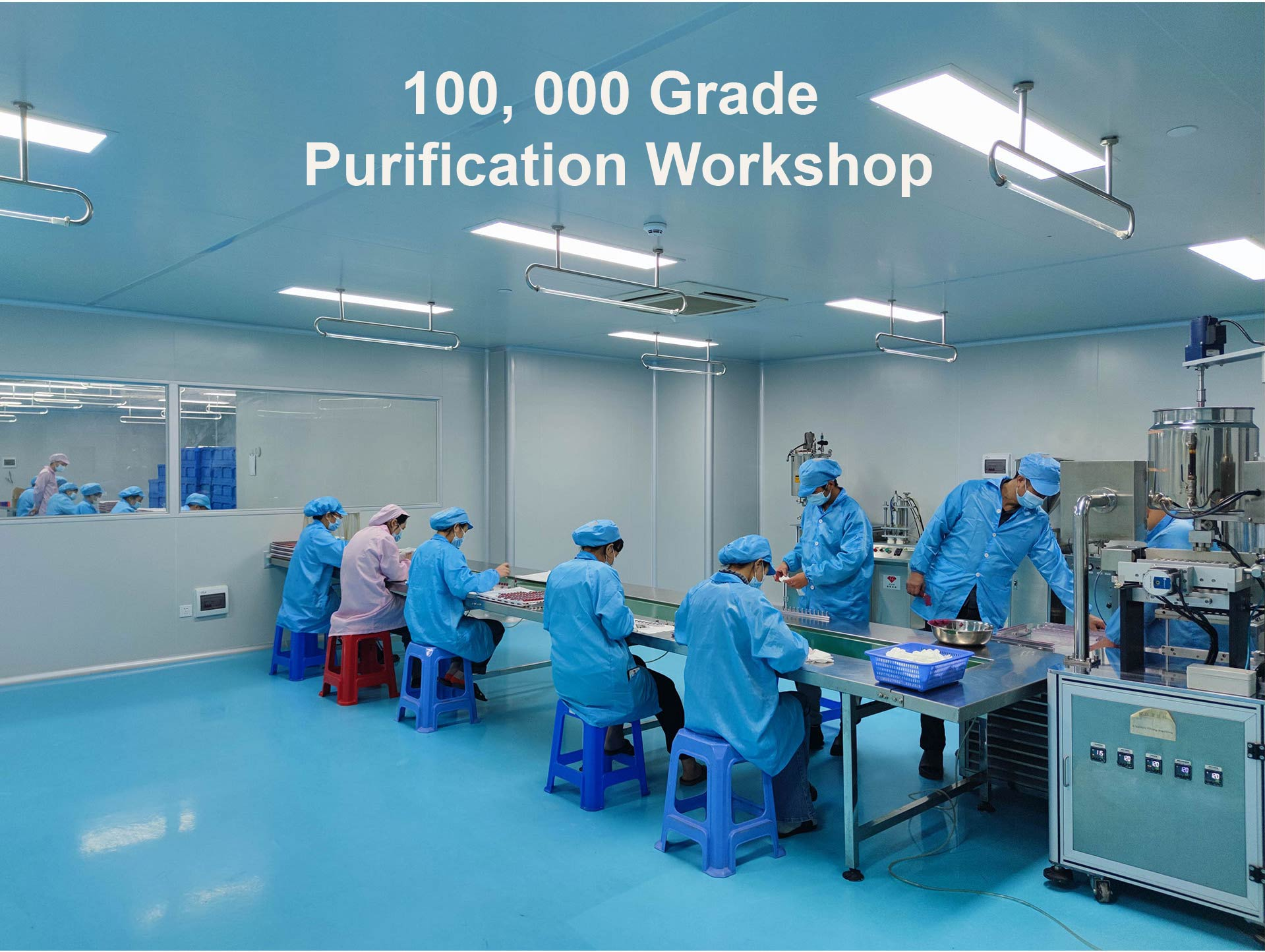
3. How can the clean environment in the production workshop meet the requirements for cosmetic manufacturing?
Cosmetic production requires extremely high cleanliness in the workshop, especially for emulsified products such as creams and lotions, which are prone to microbial contamination.
The manufacturer uses GMPC-standard cleanrooms, dividing them into different functional zones according to cleanliness levels,
and is equipped with high-efficiency air purification systems and ultraviolet disinfection devices.
The workshop is cleaned and disinfected daily.
Staff must go through multiple procedures, including changing clothes, washing hands, disinfecting, and air showering, before entering.
Additionally, microbial testing of the workshop's air, floors, and equipment surfaces is conducted regularly to ensure the production environment meets cleanroom standards.
4. How can impurities be prevented from affecting product quality during the raw material pretreatment process?
Raw material pretreatment is a crucial preliminary step in production, aimed at removing impurities and standardizing the raw material condition to ensure the stability of subsequent processes.
Solid raw materials must be ground and sieved to ensure uniform and fine particles; liquid raw materials need to be filtered and degassed to remove suspended impurities and bubbles.
During the pre-treatment process, the equipment operates in a fully enclosed environment to prevent excessive contact between raw materials and air, thereby avoiding oxidation.
Meanwhile, parameters such as temperature and humidity of the raw materials are monitored in real time to ensure that the pre-treated materials meet the production formula requirements.
5. How to ensure uniform composition and stable properties during the emulsification and mixing process?
Emulsification and mixing are critical processes that determine the texture and efficacy of cosmetics.
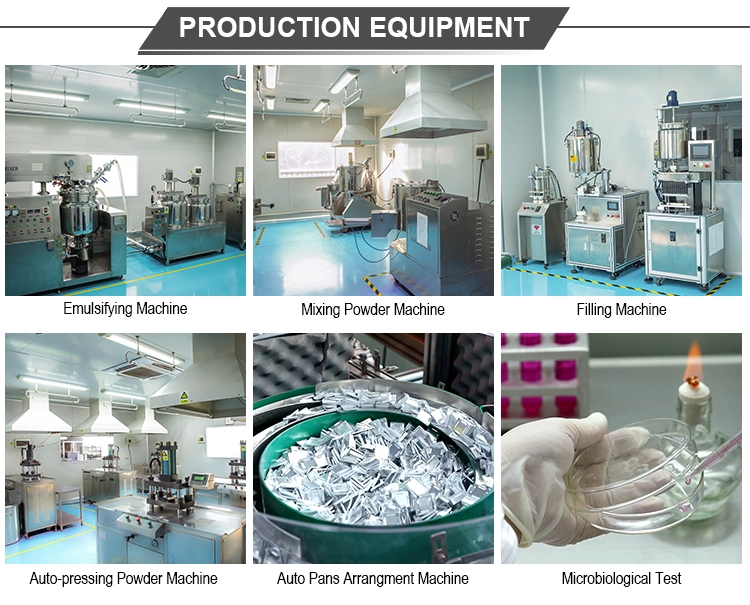
Manufacturers use high-precision emulsification equipment, precisely controlling parameters such as stirring speed, temperature,
and time to thoroughly blend the aqueous and oil-phase ingredients, forming a uniform and stable emulsion system.
For products containing active ingredients, low-temperature emulsification technology is used to prevent the degradation of the active components due to high temperatures.
During the mixing process, quality control personnel take samples in real time for testing to ensure the product has a uniform texture, no grittiness, and no layer separation.
6. How can the filling process precisely control dosage while avoiding secondary contamination?
During the filling process, it is essential to ensure precise dosing while strictly preventing secondary contamination of the product.
Manufacturers use automated filling equipment with computer programs to precisely control the filling volume, keeping errors within a very narrow range.
Filling equipment must be periodically disassembled, cleaned, and sanitized.
The filling environment is a Class 100 clean area, and all product-contact pipelines and containers are made of food-grade stainless steel.
After filling is completed, seal the product immediately to prevent exposure to air and microbial contamination.
7. In the final product inspection process, which key indicators determine whether a product can be released from the factory?
Final product inspection is the last quality control checkpoint before product release, covering multiple dimensions such as sensory evaluation, physicochemical testing, microbiological analysis, and packaging.
Sensory indicators check the product's appearance, odor, and texture for consistency;
physicochemical indicators test the content of active ingredients, pH value, stability, etc.;
microbial indicators strictly control total bacterial count, mold and yeast count, and ensure the absence of pathogenic bacteria;
Meanwhile, packaging seal integrity and label information completeness are also inspected.
Only products that meet all national and corporate standards can be issued a certificate of conformity and allowed to leave the factory.
8. How can product safety be ensured through full-process traceability in the production process?
A full-process traceability system is a crucial guarantee for the safe production of cosmetics.
The manufacturer establishes a dedicated production file for each batch of products, recording detailed information such as raw material batches, production time,
equipment numbers, operators, and inspection results.
From raw material entry to finished product shipment, information at every stage is recorded in real time into the system, creating a traceable data flow.
If product quality issues arise later, the traceability system can quickly identify the problematic link, enabling timely recall of affected products and maximizing the protection of consumer rights.
9. How does equipment maintenance and calibration affect production stability and product quality?
The stability of production equipment directly affects the consistency of product quality.
Manufacturers establish a comprehensive equipment maintenance and calibration system, regularly cleaning, servicing, and repairing emulsifiers, filling machines, testing instruments,
and other equipment, and promptly replacing aging components.
At the same time, regularly invite professional institutions to calibrate the testing instruments to ensure the accuracy of test data;
Verify the key parameters of production equipment to guarantee stable operation.
A stable equipment system is the foundation for achieving large-scale and standardized production.
10. In safety production management, how can we prevent production risks and ensure personnel safety?
Cosmetic production involves various raw materials, some of which are flammable or corrosive, making safe production absolutely critical.
Manufacturers establish strict safety production management systems, provide pre-employment safety training for staff,
and clearly define operational procedures and emergency response protocols.
The workshop is equipped with fire extinguishers, emergency shower systems, and other safety facilities.
Flammable, explosive, and corrosive materials are stored in designated areas and managed by designated personnel.
At the same time, conduct regular safety drills and inspect potential safety hazards in production processes to ensure personnel safety and stable operations.