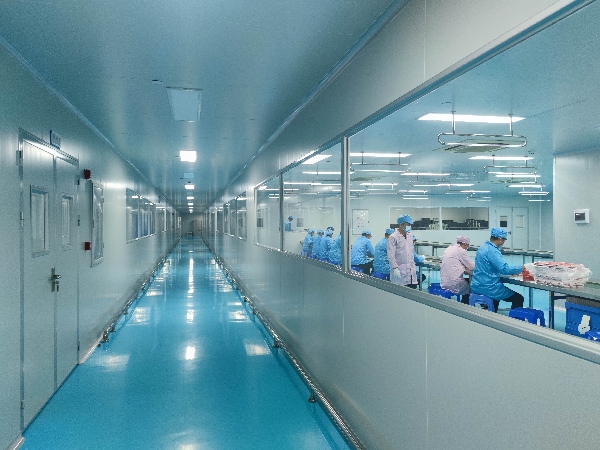
The global beauty industry continues to grow rapidly, and lipstick remains one of the most popular color cosmetics products worldwide. For beauty brands, retailers, e-commerce sellers, and startup makeup businesses, understanding how lipstick is made can help improve product development decisions and supplier selection.
As a professional OEM/ODM makeup factory with 15 years of manufacturing experience, we support global beauty brands with custom lipstick development, private label services, logo printing, and low MOQ production.
Next, we will explain the complete
lipstick manufacturing process inside a professional cosmetics factory and show how OEM/ODM lipstick production works from formula development to finished packaging.
Why Understanding Lipstick Manufacturing Matters
For many beauty brands, lipstick is more than just a makeup product. It represents:
-Brand identity
-Product quality
-Market positioning
-Consumer experience
Choosing the right lipstick manufacturer directly affects:
-Product stability
-Shade consistency
-Packaging quality
-Delivery timelines
-Compliance for export markets
Understanding the manufacturing process helps brands work more efficiently with OEM/ODM suppliers.
What Ingredients Are Used to Make Lipstick?
Lipstick formulas are made using a combination of waxes, oils, pigments, and functional ingredients.
The exact formula depends on:
Finish type
Texture
Performance
Market positioning
Common Lipstick Ingredients
| | |
| | |
| Low MOQ, 50pcs for lipstick | |
| Support small batch lipstick logo customization | |
|
|
|
|
|
Small Batch Customization Quality | Same quality standards as large batches, special quality control plan, logo quality guarantee | |
| Stable batch-to-batch quality | |
| | |
|
|
|
|
Different lipstick styles require different formulations:
Matte lipstick
Moisturizing lipstick
Glossy lipstick
Long-lasting lipstick
Professional OEM/ODM factories usually have in-house R&D teams to adjust formulas according to brand requirements.
Step-by-Step Lipstick Manufacturing Process
Professional lipstick manufacturing involves multiple production stages to ensure product consistency and quality.
Step 1 — Formula Development
Everything starts with formula development.
Brands may choose:
Existing factory formulas
Semi-custom formulas
Fully customized formulations
During this stage, factories confirm:
Texture
Finish
Pigment intensity
Fragrance
Ingredient preferences
Market compliance
For startup brands, many factories offer low MOQ lipstick development using existing base formulas to reduce cost and lead time.
Step 2 — Raw Material Inspection
Before production starts, raw materials are inspected carefully.
Professional makeup factories test:
Pigment quality
Wax purity
Oil stability
Microbiological safety
This step helps ensure:
Batch consistency
Product safety
Stable performance
Reliable lipstick manufacturers maintain strict supplier management systems for raw materials.
Step 3 — Pigment Grinding and Mixing
This is one of the most important stages in lipstick production.
Pigments are blended with oils and waxes using professional mixing equipment.
Factories typically use:
High-speed mixers
Three-roll mills
Vacuum homogenizers
The purpose is to create:
Smooth texture
Even color distribution
Stable formula performance
Poor pigment dispersion can cause:
Uneven application
Grainy texture
Color inconsistency
Professional equipment is critical for premium lipstick quality.
Step 4 — Heating and Melting
The mixed formula is heated under controlled temperatures.
This process allows:
Waxes to melt evenly
Oils to blend properly
Pigments to stabilize
Temperature control is extremely important.
If temperatures are too high, the formula may become unstable.
If too low, the lipstick may develop texture defects.
Experienced factories follow standardized production procedures to maintain consistency.
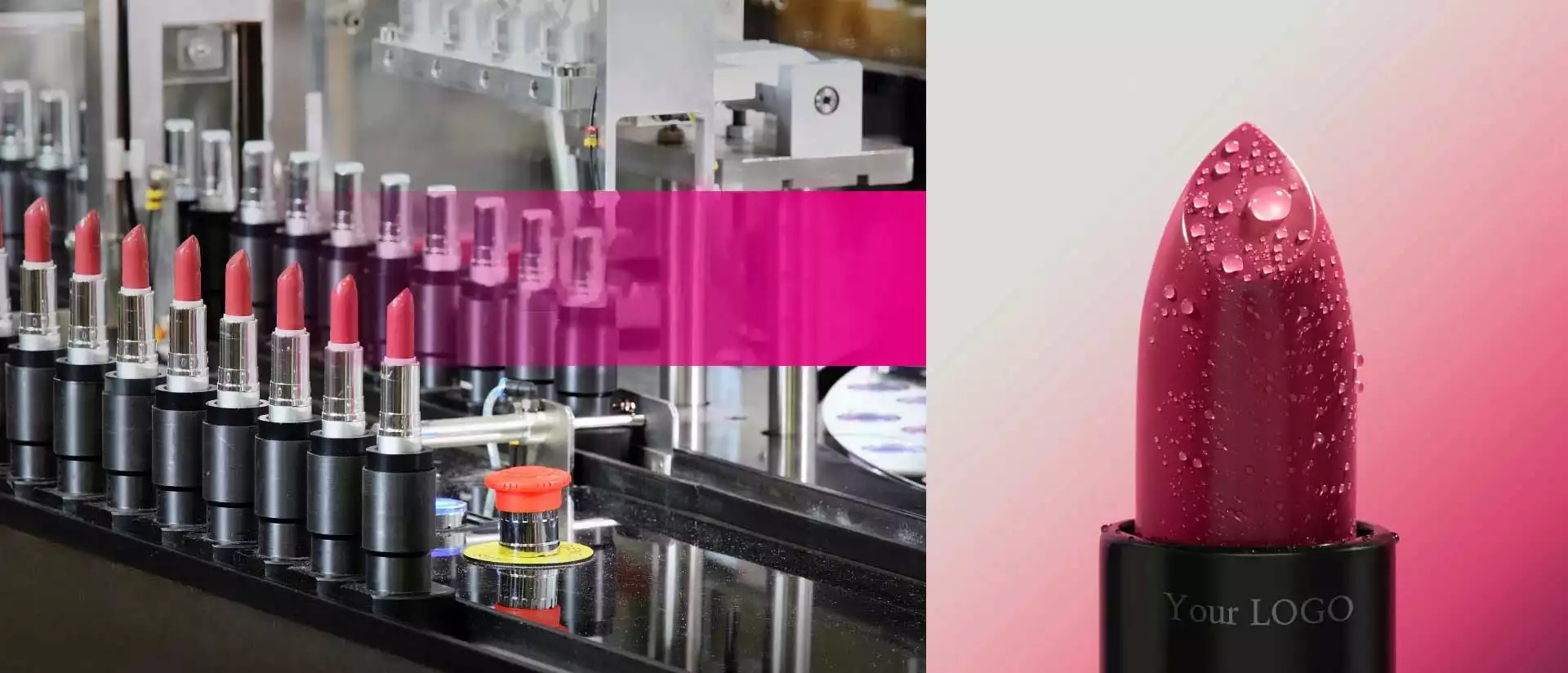
Step 5 — Lipstick Filling and Molding
After melting, the formula is poured into lipstick molds.
This stage determines:
Lipstick shape
Surface smoothness
Structural stability
Modern lipstick factories use automated filling machines for:
Higher efficiency
Better consistency
Reduced contamination risk
The products are then cooled at controlled temperatures to solidify properly.
Step 6 — Flame Treatment and Surface Finishing
After molding, lipstick surfaces are polished using flame treatment.
This creates:
Smooth appearance
Glossy finish
Professional surface quality
At this stage, factories also inspect:
Surface defects
Air bubbles
Shape consistency
Step 7 — Assembly and Packaging
Finished lipstick bullets are inserted into packaging components.
OEM/ODM factories usually support:
Custom logo printing
Private label packaging
Tube color customization
Outer box design
Packaging options include:
Matte tubes
Magnetic packaging
Luxury metal packaging
Eco-friendly materials
For many beauty brands, packaging is an important part of product positioning.
OEM vs ODM Lipstick Manufacturing
Many overseas buyers ask about the difference between OEM and ODM services.
OEM Lipstick Manufacturing
OEM means:
The factory produces products based on customer requirements
Brands control packaging and positioning
Suitable for:
Established brands
Buyers with existing concepts
ODM Lipstick Manufacturing
ODM means:
Factory provides formula and development support
Faster product launch process
Suitable for:
Startup brands
E-commerce sellers
Small businesses
Many makeup factories provide both
OEM and ODM lipstick services.
Custom Lipstick Manufacturing Services We Provide
As a professional makeup OEM/ODM factory, we provide:
Private label lipstick manufacturing
Custom logo printing
Lipstick formula customization
Packaging sourcing
Low MOQ support
Trend color development
Fast sampling service
EU & international export support
Our customers include:
Beauty brands
E-commerce sellers
Chain beauty stores
Influencer brands
Importers and distributors
How to Choose a Reliable Lipstick Manufacture
Reliable suppliers should provide:
GMP/ISO certifications
Sample support
Transparent communication
Stable production timelines
Future Trends in Lipstick Manufacturing
The lipstick market continues evolving quickly.
Current trends include:
Clean beauty lipstick
Vegan lipstick
Long-lasting formulas
Hydrating lip products
Eco-friendly packaging
Low MOQ production
Social-media-inspired shades
OEM/ODM factories must adapt quickly to market trends to support beauty brands effectively.
FAQ
Q: What is the minimum order quantity for custom lipstick?
A: MOQ depends on the formula and packaging. We are support low MOQ lipstick production for startup brands.
Q: Can I put my logo on the lipstick packaging?
A: Yes. We provide custom logo printing and private label packaging services.
Q: How long does lipstick production take?
A: Sample development usually takes 3-5 days. Bulk production commonly takes 15 days, depending on quantity and packaging.
Q: Can I customize lipstick formulas?
A: Yes. Our Factory can customize texture, finish, color, fragrance, and ingredients based on your brand requirements.
Q: What certifications should a lipstick factory have?
A: Professional factories commonly provide GMP, ISO22716, MSDS, COA, and export compliance documentation.
 Ouqian
 May 14,2026