1) What Is Lipstick Made Of? (The Raw Ingredients)
Modern lipstick isn't just "color in a tube", It's a carefully balanced mix of ingredients that give it texture, color, and performance. The major components are:
✔ Oils (50–70%) — These make the lipstick feel smooth and help it glide on the lips.
✔ Waxes (20–30%) — Waxes give lipstick structure so it can hold its shape in the tube.
✔ Pigments (5–15%) — These are what give the color — from bright reds to deep nudes.
✔ Other Additives — Emollients, preservatives, and sometimes fragrances or pearlescent particles for visual effects.
The mix of these ingredients impacts how creamy, matte, glossy, or long-lasting the final product feels.
2) Step-by-Step: How Lipstick Is Made in a Factory
Here's the basic process factories use to turn raw ingredients into finished lipstick products:
Step 1 — Melting & Mixing
First, the oils and waxes are heated so they melt. Then pigments are carefully blended in. This is often done using a three-roller mill or similar equipment to grind the pigment so the lipstick is smooth and evenly colored.
During this stage, the mixture is stirred at high temperature to make sure the oils, waxes, and pigments are fully integrated.
Step 2 — Molding
Once the blend is uniform, it's poured into lipstick molds. These molds shape the product into the familiar stick form. The mixture is cooled so it solidifies properly.
Step 3 — Cooling & Extraction
After cooling, the solid lipstick pieces are removed from the molds. At this point they already look like the lipsticks you recognize — but they still need finishing touches.
Step 4 — Labeling & Packaging
This final stage puts the lipstick into tubes, caps, and outer packaging. Some factories automate this step, while others do parts by hand, depending on scale and customization requirements.
3) Quality Control Comes First
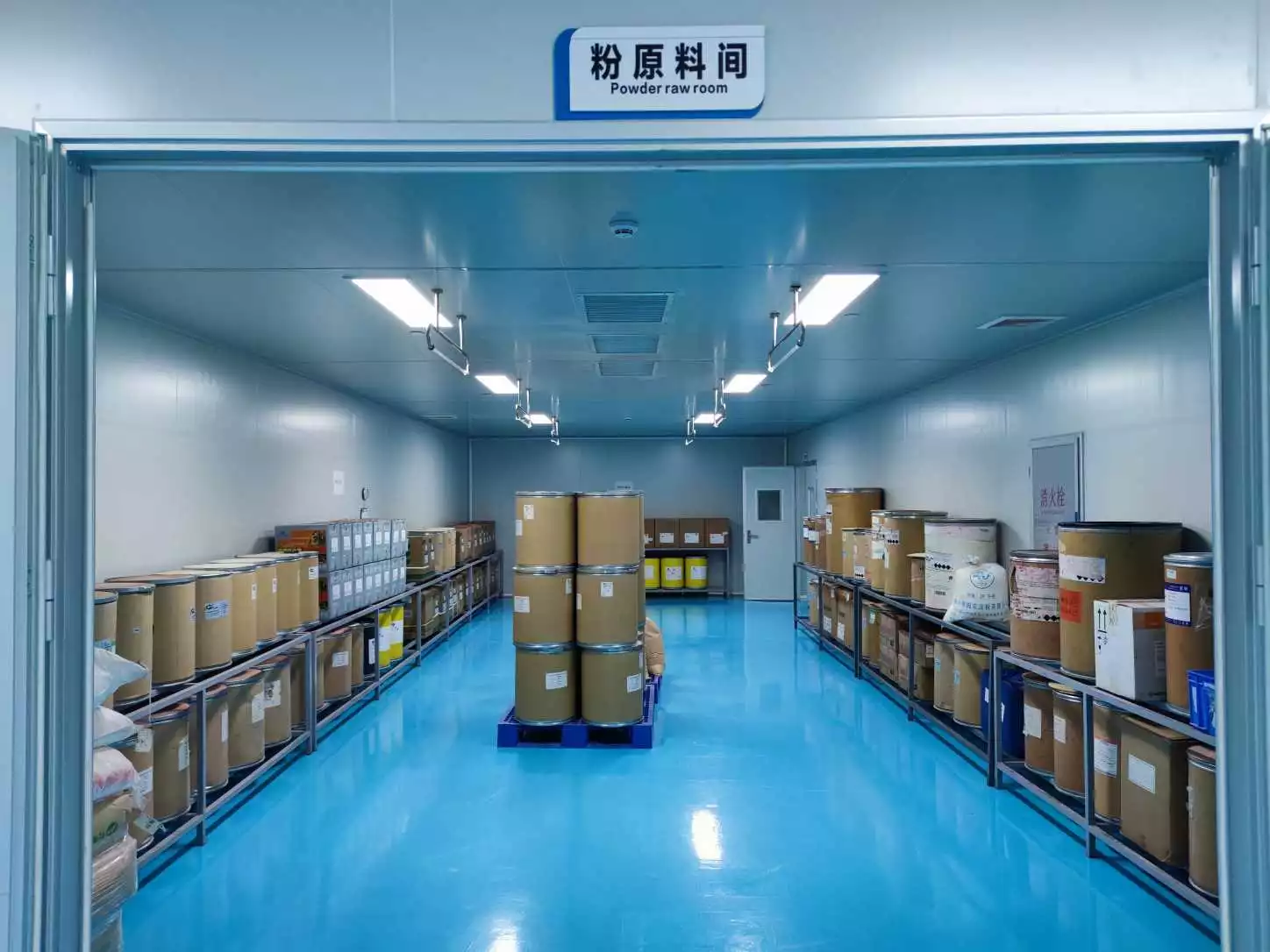
Because lipstick is a cosmetic product that's used on lips, quality and safety are extremely important. Most factories perform checks like:
✔ Appearance inspection — no bubbles or defects
✔ Color consistency tests
✔ Heat and longevity testing
✔ Weight and cap twist-out checks
These ensure lipstick meets both regulatory standards (like FDA or EU cosmetic regulations) and customer expectations.
4) Why Understanding the Factory Process Matters to You
If you're thinking about launching your own lipstick line, knowing this process helps you:
Know what questions to ask a manufacturer
Understand why certain prices or MOQs exist
Talk confidently about formulation and production timelines
5) Why Many Beauty Brands Choose China Cosmetic Factories
At
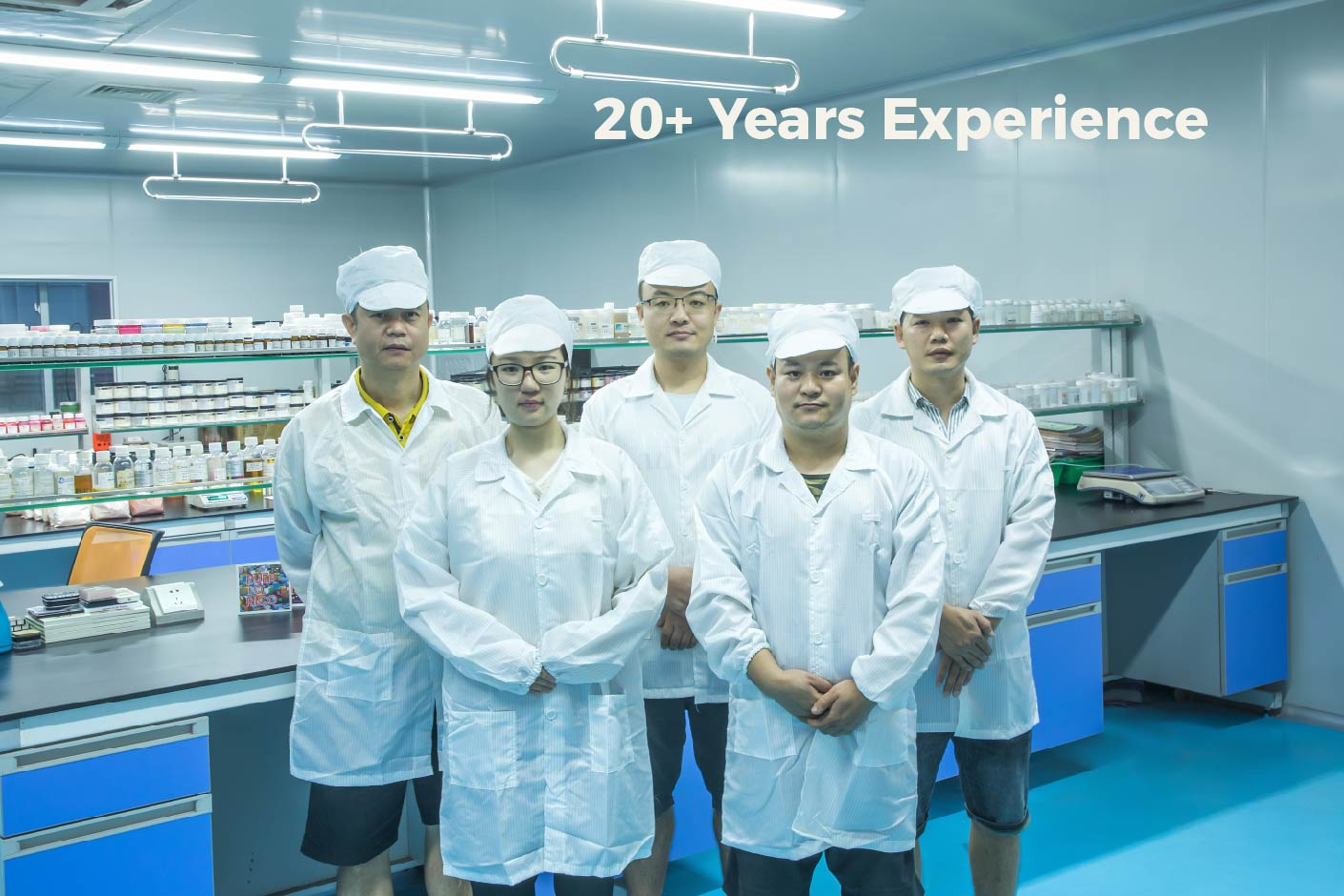
OUQIAN Makeup, we've worked with 1,000+ beauty brands globally, and most of them didn't start with massive budgets
or huge orders. They started with ideas, small test batches, and a very real need for flexibility instead of volume.
So here's the big question many people ask:
"Why do so many beauty businesses partner with
manufacturers in China to make lipstick?"
Here are some real reasons — explained in plain language:
Advantage #1 — Cost-Effective ProductionChinese cosmetic factories often have very competitive production costs thanks to:
Established supply chains
Large-scale pigment and wax sourcing
Automated lines combined with skilled workforce
This makes launching your first lipstick line more affordable without compromising quality.
Advantage #2 — Flexible Manufacturing Options
Unlike some factories that require massive orders, many offer:
✔ Lower MOQs (minimum order quantities)
✔ Pilot production runs
✔ Custom formula development
✔ Packaging and labeling support
That's great when you're just starting out and don't want to risk huge inventory upfront.
Advantage #3 — Strong Customization Capabilities
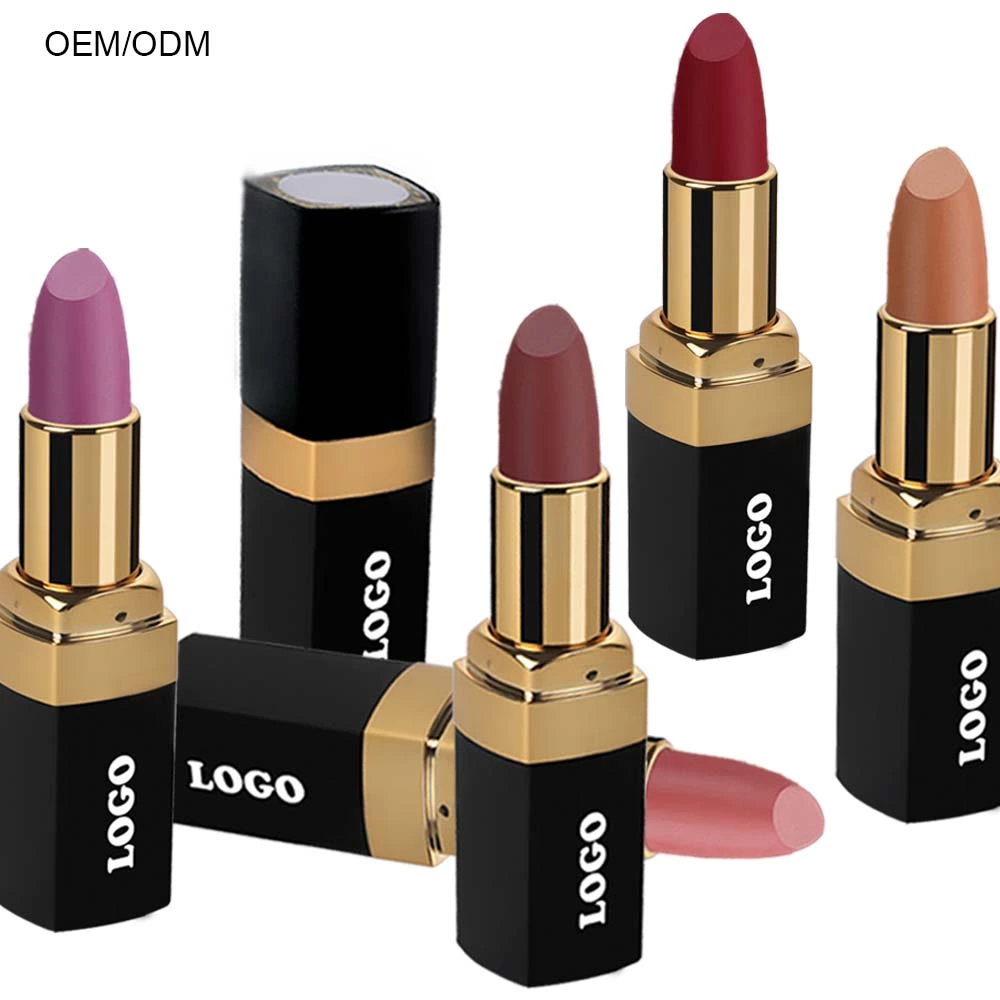
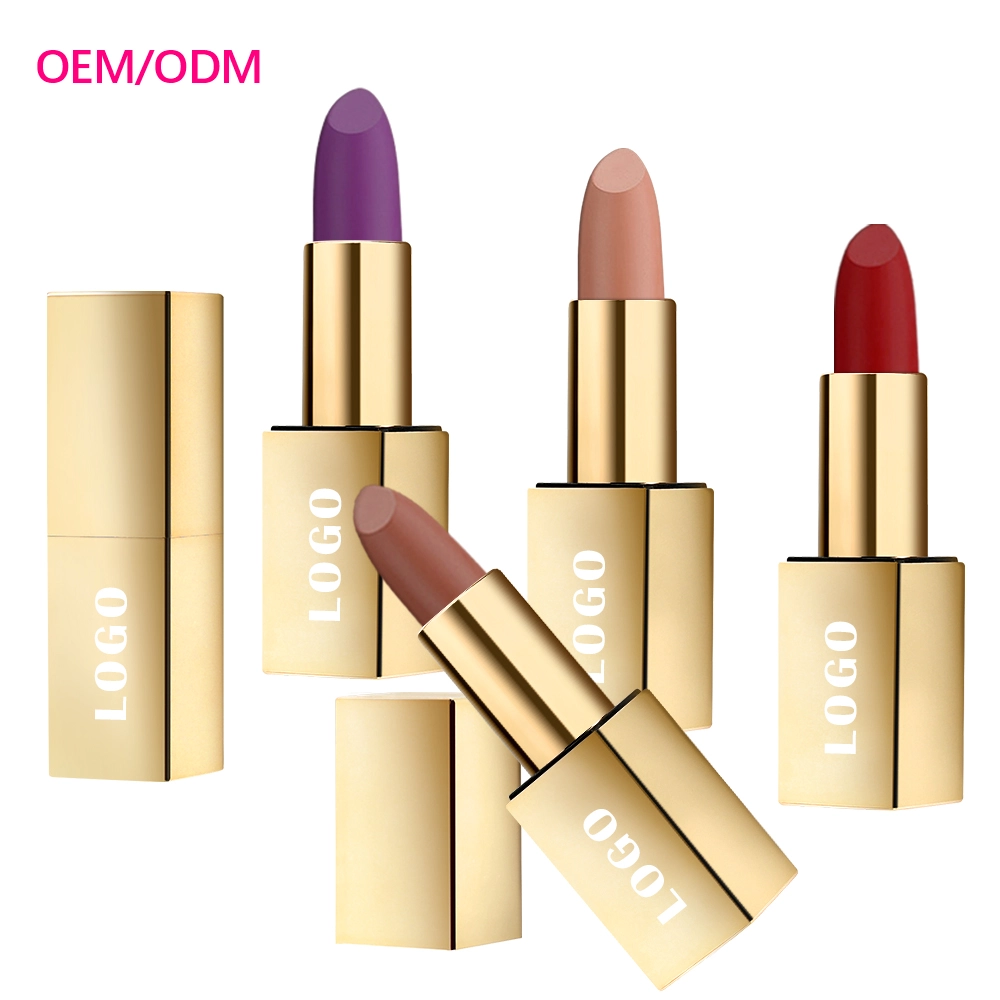
Top cosmetic manufacturers in China can help you create:
Your own shade ranges
Matte, glossy, or shimmer finishes
Special features (e.g., long-lasting, vegan, organic)
This gives your brand a unique identity instead of selling something generic.
Advantage #4 — Export Experience and Compliance Knowledge
Many factories are well-versed in the requirements of different markets — like the U.S., EU, Middle East, or Asia. They can help with:
Regulatory documentation
Ingredient lists and safety data sheets
Stability testing impact on export standards
This takes a lot of the guesswork out of international sales.
6) Bonus Tips Before You Start Your Lipstick Line
If you're going to work with a factory, here are some quick tips that really matter:
✔ Always ask for samples before bulk production
✔ Get clear on MOQs and price breaks
✔ Confirm compliance support (FDA, EU)
✔ Understand lead times — from sample to finished product
✔ Talk about packaging customization early
Doing these will make your experience less stressful and more predictable.
we are committed to sustainability and compliance. We prioritize eco-friendly practices and ensure that all products meet industry regulations.
By partnering with OuqianMakeup, you gain a dedicated ally in building a successful cosmetics brand focused on quality and responsibility.
Contact us now.
 Ouqian
 Jan 30,2026