Why Speed Matters So Much in the Beauty Industry
Beauty trends don't wait for anyone.
Thanks to TikTok, Instagram, and beauty influencers, trends can explode overnight. A product goes viral, and suddenly everyone wants it — but only for a short time.
Some recent examples include:
Clean and minimalist makeup
Lightweight, breathable formulas
Hybrid skincare + makeup products
Vegan and cruelty-free cosmetics
Sustainable or refillable packaging
Brands that launch at the right time win attention, sales, and loyal customers. Brands that move too slowly usually miss the moment.
The problem? Traditional product development can take one to three years. That's simply too slow for today's beauty market.
This is where
private label manufacturing really shines.
What Is Private Label Manufacturing (In Simple Terms)?
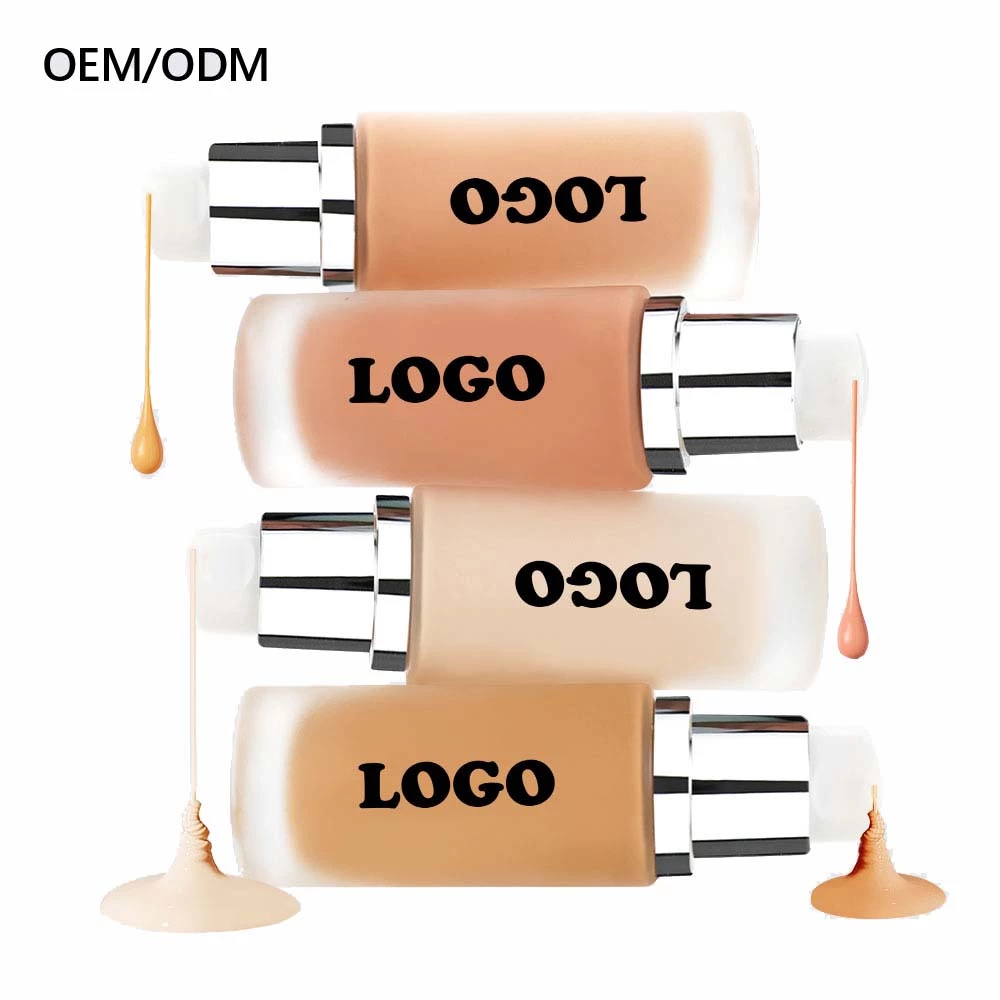
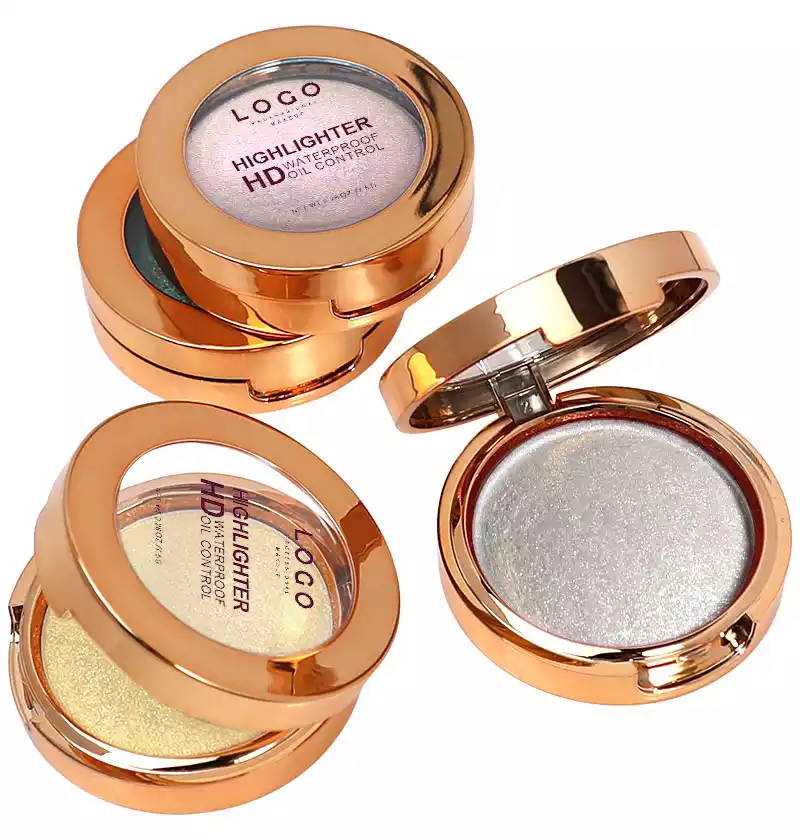
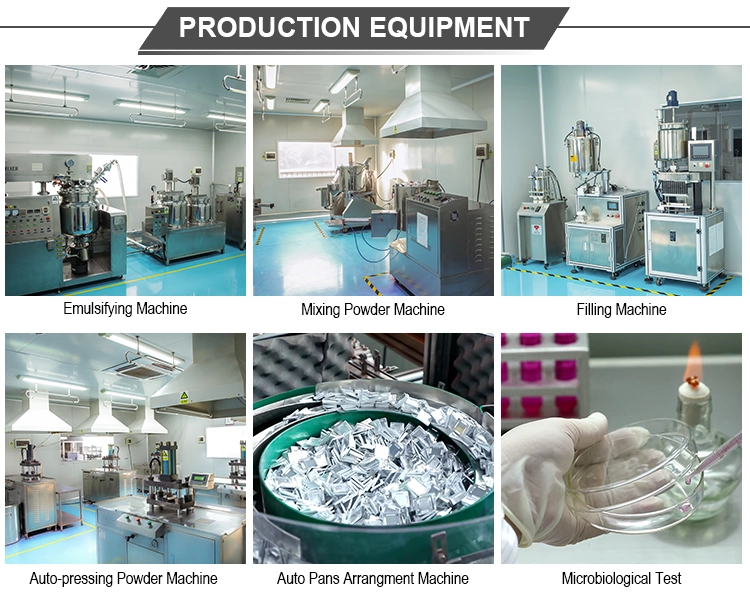
Private label manufacturing means you work with a cosmetics manufacturer that already has:
Ready-made formulas
Production lines
Tested ingredients
Quality control systems
They make the product.
You sell it under your own brand name.
You decide:
The brand
The packaging
The positioning
The marketing
The manufacturer handles the technical side.
This model is extremely common in beauty and is used for:
Makeup
Skincare
Haircare
Personal care products
It allows brands to launch products without building their own lab or factory.
Private Label vs. Making Products From Scratch
Many new brands think they have to create everything from zero to be “real.” In reality, that approach is expensive and risky.
The Reality of In-House Development
High R&D costs
Long testing periods
Complex regulations
Large minimum order quantities
Big financial pressure
This model works for huge companies — not for most startups.
Why Private Label Makes More Sense
Much faster to market
Lower upfront investment
Proven formulas that already work
Compliance and safety handled by experts
Flexible order quantities
For trend-focused brands, speed and flexibility matter more than total control in the beginning.
How Private Label Manufacturing Helps Brands React to Trends Faster
Trend-Ready Formulas Are Already There
Most private label manufacturers closely follow beauty trends. They're constantly updating their formula libraries based on:
Market demand
Ingredient trends
Consumer feedback
Regulatory changes
This means they already have formulas that match what customers want right now, such as:
Clean or “skin-friendly” makeup
Lightweight textures
Long-wear but comfortable formulas
Multi-use products
Instead of starting from scratch, brands can choose a base formula and move forward quickly.
Much Shorter Development Time
With private label manufacturing, the process is simple:
Pick a formula
Make small tweaks if needed
Choose packaging
Design labels
Start production
This can take weeks, not years.
For trend-driven products, that speed can make all the difference.
Lower Risk When Testing Trends
Let's face it — not every trend lasts.
Private label manufacturing lets brands:
Start with small quantities
Test the market
See what actually sells
Adjust or stop if needed
This “test first, scale later” approach helps avoid big losses and dead stock.
Better Cost Control for Growing Brands
Creating products from scratch costs money — a lot of it.
You need to pay for:
Chemists and labs
Stability and safety testing
Regulatory paperwork
Trial batches
Private label manufacturers already have all of this in place. Because they work with many brands, they can spread the cost and offer better pricing.
For brands, this means:
Lower development costs
More predictable budgets
Better profit margins
Especially for small brands, cost control is everything.
Built-In Compliance and Quality Control
Regulations in beauty can be confusing, especially if you're selling internationally.
Good private label manufacturers usually handle:
Ingredient compliance
Safety testing
Quality checks
Manufacturing standards
This saves brands time, stress, and costly mistakes.
Easy to Scale When a Trend Takes Off
One of the biggest advantages of private label manufacturing is flexibility.
You can:
Start small
Scale up when sales grow
Add new shades or variations
Upgrade packaging later
You don't need to switch suppliers or rebuild your system every time you grow.
More Time to Focus on Marketing and Brand Building
Making a product is only half the job. Selling it is the real challenge.
By working with a private label manufacturer, brands can spend more time on:
Social media
Influencer marketing
Content creation
Customer engagement
Brand storytelling
In a trend-driven market, visibility matters just as much as the product itself.
How to Use Private Label Manufacturing the Smart Way
Focus on Trends That Last
Not every viral product is worth chasing.
Smart brands focus on trends with long-term potential, like:
Skin-first beauty
Inclusive shade ranges
Sustainable products
Simple, multi-use formulas
Private label manufacturing helps brands enter these categories quickly — without overcommitting.
Pick the Right Manufacturing Partner
Not all manufacturers are the same.
Look for partners who offer:
Trend insights
Flexible MOQs
Packaging support
Clear communication
Long-term cooperation
A
good manufacturer should feel like part of your team.
Customize Just Enough
You don't need extreme customization to stand out.
Small changes like:
Adjusting texture
Tweaking pigmentation
Choosing unique packaging
Can make a product feel special while keeping development fast.
Why Private Label Manufacturing Is Perfect for Small Brands
Private label manufacturing works especially well for:
Indie beauty brands
Online and DTC brands
Influencer-led brands
Startups with limited budgets
It allows smaller brands to compete by being faster and more flexible than big companies.
How Ouqian Makeup Makes Your Journey Worry-Free
A
good private label manufacturer can support you with:
Trend-ready formulas
Shade matching
Ingredient sourcing advice
Packaging options
Compliance guidance
Scalable production plans
This makes it much easier for brands to launch and grow.
FAQs: Your Private Label Questions, Answered
Q: What is the typical minimum order quantity (MOQ)?
A: MOQs vary by product type and packaging. Some products can be started with orders as low as 50 units.
Q: Can I create a custom formula, or do I have to choose from existing ones?
A: Most manufacturers offer both options. You can select a pre-existing formula (fastest route) or work with their R&D team to develop a fully custom product from the ground up (requires more time and investment).
Q: How long does the entire private label process take?
A: With a pre-formulated product, you can go from concept to delivered product in as little as 2-3 weeks. Custom formulations require more time for R&D and stability testing, typically 2-3 months.
Q: Who handles regulatory compliance?
A: A reputable manufacturer will ensure your product is formulated to be compliant with regulations in your target market (e.g., FDA, EU). They will provide the necessary documentation, such as Product Information Files (PIFs) for Europe. However, the legal responsibility for compliance ultimately lies with the brand owner.
 Ouqian
 Dec 26,2025