Define Your Target Market
Before developing a product, decide who you want to sell it to.
Different customers have different expectations for face primer.
For example, customers with oily skin may prefer a lightweight mattifying primer, while customers with dry skin may look for a hydrating and dewy formula.
Your target market can be defined by:
• Skin type
• Age group
• Price level
• Makeup habits
• Geographic market
• Product preferences
• Retail channel
For example, an e-commerce brand targeting young consumers may focus on a lightweight, blurring primer with attractive packaging.
A professional makeup brand may prioritize long wear, smooth application, and performance under studio lighting.
The clearer your target customer is, the easier it becomes to develop the right product.
Choose the Right Face Primer Type
The next step is selecting your product concept.
There is no single "best" primer for every consumer.
Common categories include:
Mattifying Primer
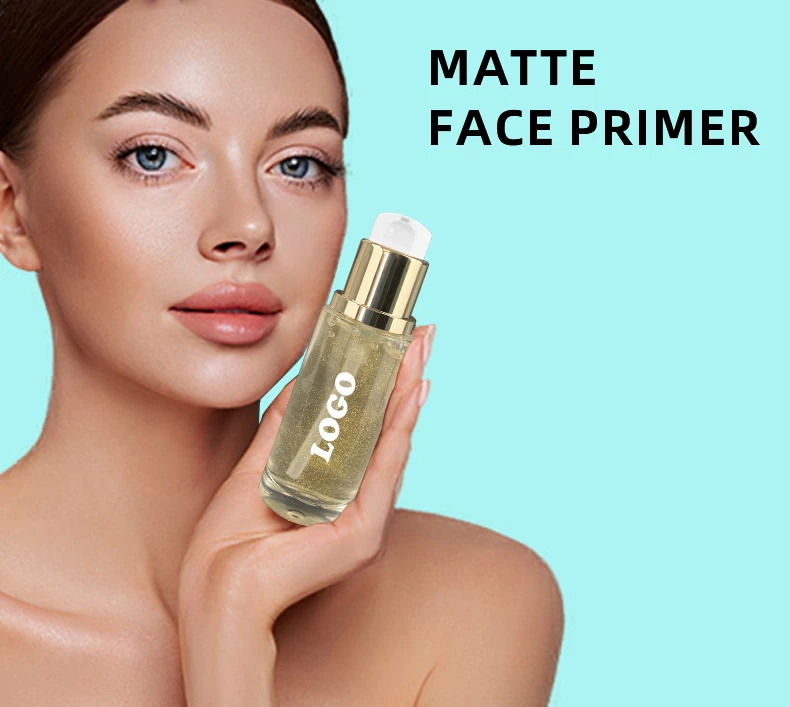
A mattifying primer is designed to help control excess shine and create a smoother matte makeup base.
It is commonly positioned for oily and combination skin.
Hydrating Primer
A hydrating formula focuses on a comfortable, moisturized feel and can be suitable for dry or combination skin.
Blurring Primer
A blurring primer is designed to minimize the appearance of pores and uneven skin texture.
It is popular among consumers who want a smooth, soft-focus makeup finish.
Illuminating Primer
An illuminating primer creates a radiant or dewy-looking finish.
It can be used alone for a natural glow or under foundation.
Gripping Primer
A gripping formula focuses on makeup adhesion and is often positioned for long-wear makeup applications.
For a new brand, starting with one clear product concept can make product development and marketing more focused.
Research Your Competitors
Before investing in product development, study the existing market.
Look at successful primer products and compare:
•Product positioning
•Formula claims
•Packaging
•Price range
•Product size
•Reviews
•Consumer complaints
•Shade or finish options
Pay special attention to negative customer reviews.
They can reveal opportunities for your own product.
For example, consumers may complain that a primer:
•Feels too heavy
•Leaves skin greasy
•Pills under foundation
•Has a strong fragrance
•Makes makeup separate
•Does not work well in humid weather
These problems can help you define your product development goals.
Develop Your Custom Formula
This is where an experienced OEM/ODM cosmetic manufacturer becomes especially valuable.
Instead of using a standard formula, brands can work with an R&D team to develop a product tailored to their target market.
Customization may include:
•Texture
•Finish
•Skin feel
•Oil-control performance
•Hydration
•Blurring effect
•Ingredient selection
•Fragrance
•Color
•Packaging compatibility
For example, a brand targeting hot, humid markets may prioritize a lightweight texture and oil control.
A brand focused on skincare-makeup products may prefer a formula featuring skincare-inspired ingredients.
The formula should always be developed around the intended product positioning rather than simply adding as many ingredients as possible.
Select Your Key Product Claims Carefully
Product claims can strongly influence purchasing decisions.
Common face primer claims include:
•Smoothing
•Hydrating
•Mattifying
•Pore-blurring
•Lightweight
•Long-wearing
•Radiant finish
•Oil control
•Makeup-gripping
However, brands should avoid making unsupported claims.
Claims should be based on the actual formula, appropriate testing, and the regulatory requirements of the target market.
A professional manufacturer can help provide the technical documentation and testing support needed during product development.
Choose Custom Packaging
Packaging is an important part of your brand identity.
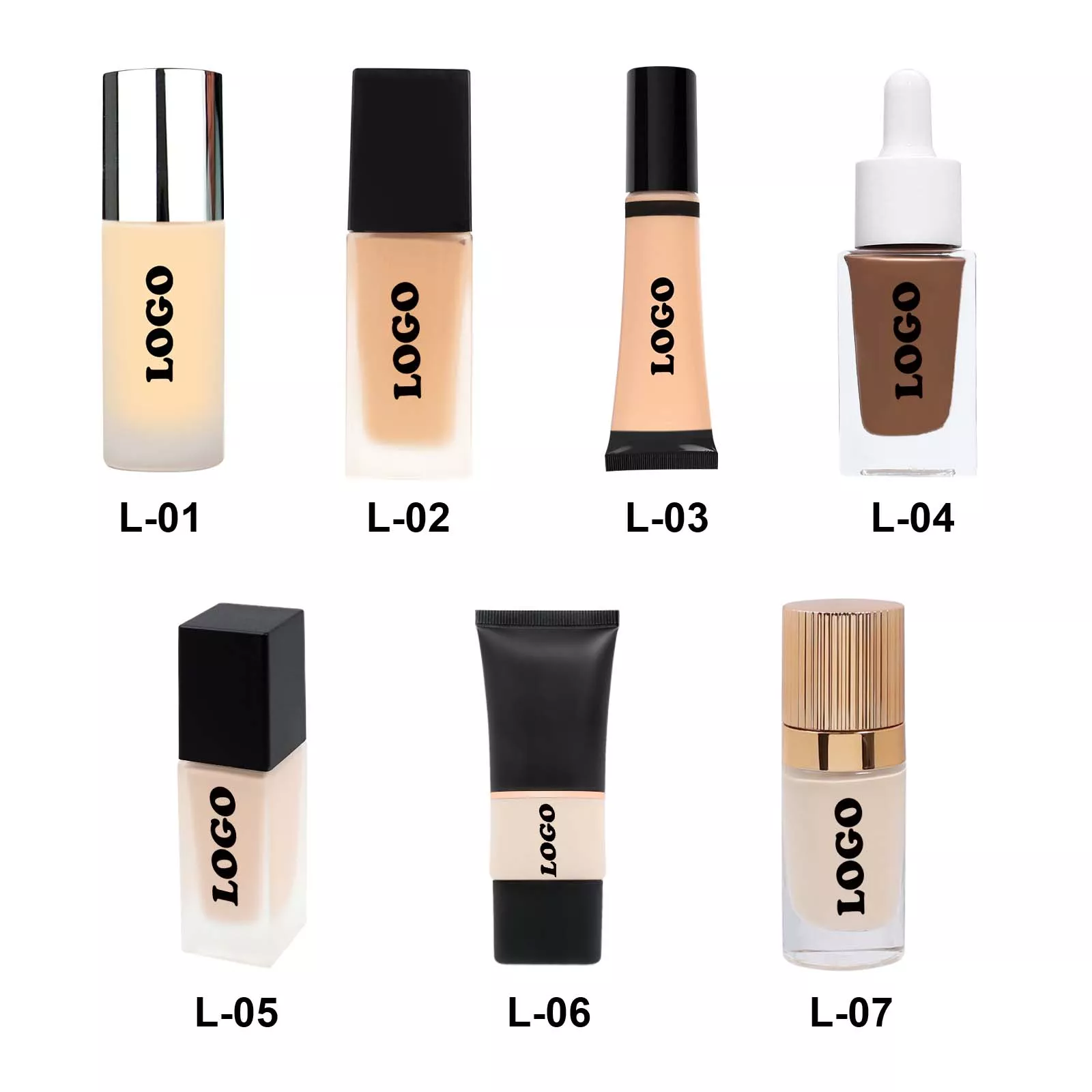
For a face primer, common packaging formats include:
•Squeeze tubes
•Pump bottles
•Airless packaging
•Cosmetic tubes with applicators
When choosing packaging, consider:
Functionality
Is it easy for consumers to dispense the right amount?
Formula Compatibility
Is the packaging suitable for the formula?
Brand Positioning
Does the packaging communicate affordable, premium, clean, professional, or trend-focused positioning?
Logistics
Is it suitable for international transportation and storage?
Your manufacturer should be able to help evaluate packaging compatibility before mass production.
Create Your Private Label Branding
A successful private label face primer needs more than a logo.
Your brand identity should be consistent across:
•Product packaging
•Color palette
•Typography
•Product photography
•Website
•Social media
•Marketing materials
The product name should also be easy to understand.
For example:
Oil Control Matte Primer
Communicates the product benefit more clearly than a highly abstract name.
For B2B beauty brands, clear product positioning can make communication with distributors and retailers easier.
Request Samples Before Bulk Production
Never move directly from concept to mass production without evaluating samples.
A professional sample process allows your team to assess:
•Texture
•Spreadability
•Absorption
•Finish
•Fragrance
•Makeup compatibility
•Packaging
•Overall user experience
Test the primer with the foundation products you plan to sell alongside it.
This is important because two individually good products may not always perform well together.
You should also conduct multiple rounds of testing if formula adjustments are required.
Complete Product Testing and Compliance
Cosmetic compliance is an essential part of international product development.
Requirements vary by market, so brands should identify the target countries before finalizing the product.
Depending on the market and product requirements, documentation and testing may include:
•Ingredient information
•Product specifications
•Safety documentation
•Microbiological testing
•Stability testing
•Packaging compatibility testing
•Safety assessment
•Manufacturing documentation
A reliable cosmetic OEM manufacturer should be able to support the brand with the relevant technical documents and testing process.
Compliance should be considered from the beginning, not after production has started.
Determine Your MOQ and Production Plan
MOQ is one of the biggest concerns for new beauty brands.
A large first order can create unnecessary inventory pressure.
For startups and growing e-commerce brands, low MOQ cosmetics manufacturing can provide a more flexible way to test the market.
Your production plan should consider:
•Initial order quantity
•Packaging MOQ
•Formula MOQ
•Expected sales volume
•Restocking cycle
•Shipping requirements
•Seasonal demand
Starting with a manageable quantity can allow your brand to collect real customer feedback before scaling production.
Choose a Reliable Face Primer Manufacturer
The manufacturer you choose can directly affect your product quality, launch schedule, and long-term supply.
Look beyond the lowest quotation.
A reliable manufacturing partner should offer:
| Why It Matters |
OEM/ODM Experience | Supports professional product development
|
| Helps create customized formulas |
| Maintains batch-to-batch consistency | |
| Reduces inventory pressure |
| Supports future order growth |
| Reduces development and production delays |
Work With an Experienced OEM/ODM Factory
With more than 15 years of cosmetic OEM/ODM manufacturing experience, we provide customized solutions for international beauty brands.
Our customers include:
•Overseas beauty brands
•Cross-border e-commerce companies
•Beauty retailers
•Influencer-owned brands
•Cosmetic distributors
•Beauty startups
Our services cover the complete product development process.
Formula Customization
We support different primer concepts, textures, finishes, and market requirements.
Private Label Manufacturing
Brands can customize:
•Logo
•Packaging
•Product presentation
•Formula options
•Product positioning
•Small Batch Production
Flexible production solutions can help startups and growing brands test new products before larger-scale investment.
Quality Control
We focus on consistent raw materials, controlled production processes, and finished-product inspection to maintain stable product quality.
Efficient Production
Clear production planning and an experienced supply chain help support efficient sampling, manufacturing, and delivery.
Compliance Support
We provide relevant product documentation and testing support for international cosmetic projects, according to the requirements of the target market.
How Much Does It Cost to Start a Face Primer Brand?
There is no single fixed cost.
Your total investment depends on:
•Formula requirements
•Product quantity
•Packaging
•Printing
•Testing
•Shipping
•Product positioning
•Marketing budget
A simple private label project usually requires less development work than a completely customized formula and packaging project.
For this reason, it is useful to request a detailed quotation based on your actual product requirements rather than relying on a general factory price.
How Long Does It Take to Launch a Face Primer?
The timeline depends on the level of customization.
A typical project may involve:
Concept → Formula Development → Sample Testing → Packaging → Compliance → Bulk Production → Inspection → Delivery
Custom formulas and packaging usually require more development time than ready-to-use private label solutions.
Planning early is particularly important for seasonal launches, influencer campaigns, and major e-commerce promotions.
An experienced manufacturer can help you establish a realistic production schedule before placing the bulk order.
Build Your Face Primer Brand With the Right Partner
Starting a face primer brand can be an attractive opportunity for beauty entrepreneurs, but product development requires careful planning.
From market research and formula development to packaging, testing, compliance, and production, every step affects the final product.
Working with an experienced OEM/ODM face primer manufacturer can simplify this process and give your brand access to professional R&D, manufacturing, quality control, and private label services.
With 15 years of experience, our factory provides customized solutions for beauty brands looking for:
•Custom Face Primer
•Private Label Face Primer
•OEM/ODM Makeup Manufacturing
•Low MOQ Production
•Custom Packaging
•Stable Product Quality
•Efficient Lead Times
•International Compliance Support
Whether you are launching your first beauty product or expanding an existing makeup collection, we can help turn your product concept into a market-ready face primer.
Ready to develop your own face primer?
Contact our OEM/ODM team to discuss your formula, packaging, MOQ, and target market.
FAQ
Q: Is face primer a good product for a new beauty brand?
A: Yes. Primer can complement foundation, concealer, and other complexion products, making it a useful addition to a new makeup collection
Q: Can I create a custom face primer instead of using a standard formula?
A: Yes. OEM/ODM manufacturers can develop formulas based on your desired texture, finish, ingredients, and target market.
Q: Can I start a face primer brand with a small MOQ?
A: Depending on the formula and packaging requirements, some manufacturers can support low MOQ or small-batch production for startups and growing brands.
Q: What is private label face primer?
A: Private label face primer allows brands to sell customized products produced by a professional cosmetic
manufacturer under their own brand name.
Q: Do you offer full one-stop OEM/ODM services?
A: Yes. We cover formula development, logo customization, packaging design, mass production, and after-sales support.
 Ouqian
 Aug 14,2026