What are the standard production processes for high-end cosmetics manufacturers?
 Ouqian
 Mar 06,2026
Ochian Color Cosmetics Factory as a leading cosmetics manufacturer in China, we have been deeply involved in the industry for many years. Relying on our own core research and development technologies, we adhere to strict quality control standards. Based on standardized production as the foundation and innovation in research and development as the core, we are committed to providing safe, efficient and high-quality production services for high-end cosmetics brands. Standardized production is the core support for ensuring the consistency and compliance of product quality, and it is also the key to our maintaining the leading position in the industry.
The following are the 6 essential standardized production processes required for the
makeup custom factory. Each point is combined with practical operation norms to ensure that they are feasible for implementation, traceable, and verifiable.
I. Rigorous Compliance Production System (Foundation)
Core requirement: Adhere to the highest production standards both domestically and internationally, ensure full-process compliance and traceability, eliminate any compliance risks, and establish a safety foundation for high-end products.
1.Qualification certification upgrade: Prioritize the completion of GMPC (Good Manufacturing Practice for Cosmetics) and ISO22716 dual certifications, and simultaneously connect with the US FDA and EU CE certifications, covering the compliance requirements of both domestic and international high-end markets; assign dedicated personnel to handle qualification maintenance, ensuring the continuous validity of the certifications, conducting internal audits and re-certifications annually to prevent certificate expiration issues, and ensuring that the production system has been operating stably for more than 3 months and completed a complete internal audit before the initial certification.
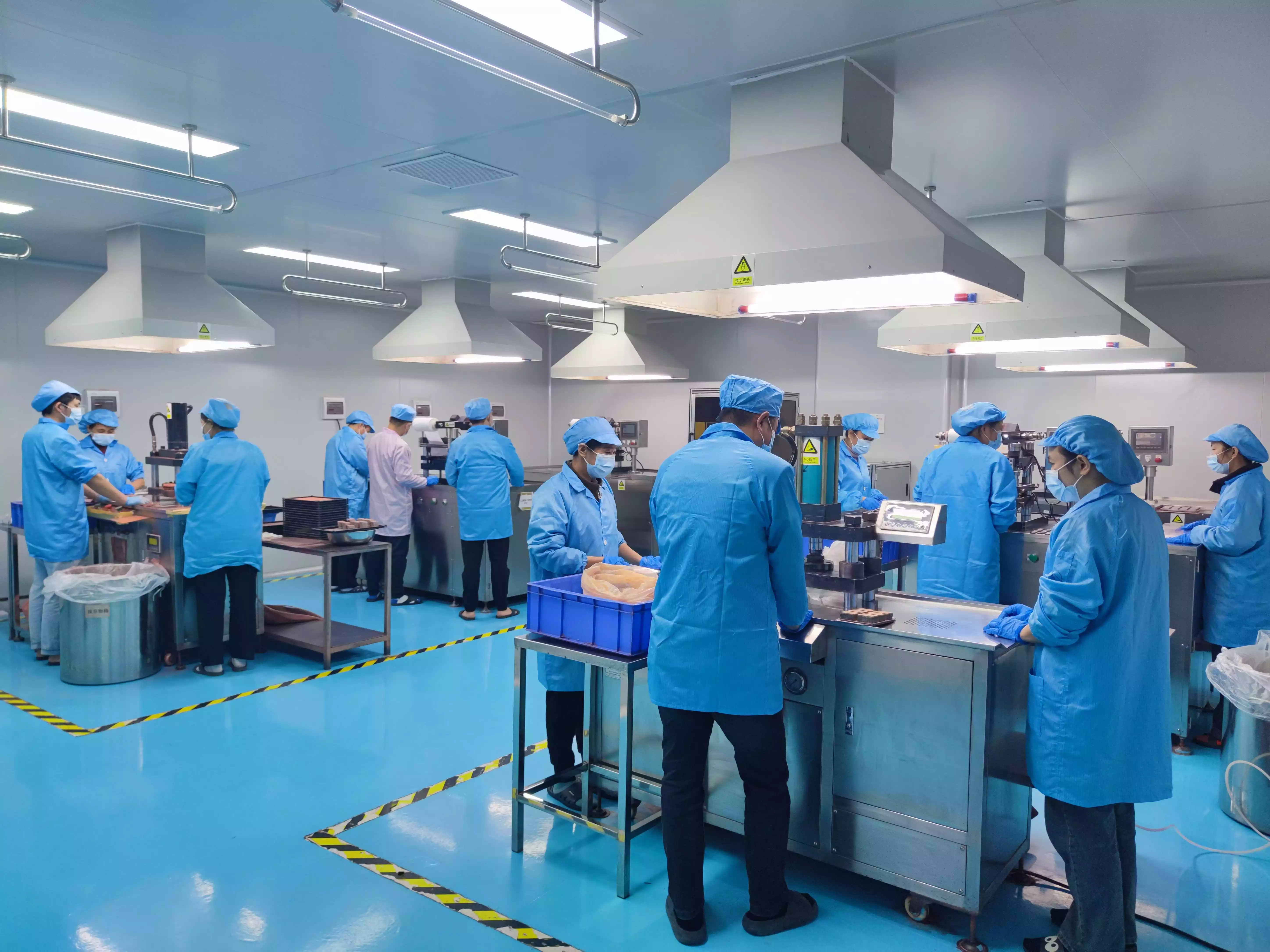
2. Production environment control: The production workshop is constructed in accordance with a 100,000-level purification standard, with functional areas such as raw material area, ingredient mixing area, filling area, and storage area. These areas are separated for the flow of people, materials, and air. Advanced equipment for maintaining constant temperature and humidity, as well as dust removal in a sterile environment, is installed. The workshop is disinfected with ultraviolet light daily, microbiological tests are conducted weekly, and third-party environmental inspections are carried out monthly to ensure that the cleanliness of the workshop meets the standards. This allows for the claim of "medicinal-grade sterile filling", which meets the production requirements for high-end products.
3. Full-process Traceability: Establish a product traceability system, recording every step from raw material procurement, ingredient mixing, production, filling, packaging to warehouse dispatch. Each step is entered into the system, achieving "one item, one code". Consumers can scan the code to query the entire process information. At the same time, retain sample samples for each batch of products. The retention period of the samples should be no less than 36 months to ensure that in case of any issues, they can be quickly traced and accurately recalled. Full inspection samples are retained for each batch of products to ensure the consistency between the samples and the main products.
II. Standardized Raw Material Control Process (Quality Source)
Core requirement: Establish a full-process standardized system from raw material selection, entry, storage to usage, to ensure the safety, purity and stability of the raw materials. This approach aims to avoid quality risks at the source and align with the standards for raw materials of high-end products.
1.Standardized screening: Establish a unified raw material screening standard. Prioritize the selection of international leading suppliers such as Dezhixin and BASF. The raw materials must meet the EWG green rating requirements. It is strictly prohibited to add controversial components such as plasticizers and fluorescent agents. Each raw material must provide the supplier's qualification and component testing report. After being reviewed and approved by both the R&D and quality control departments, it can be included in the procurement list.
2. Standardized incoming inspection: Before all raw materials enter the factory, the quality control department conducts comprehensive inspections according to established standards, covering key indicators such as heavy metals, microorganisms, and harmful residues. Raw materials that fail the inspection will be strictly rejected, and the inspection data will be recorded simultaneously. A raw material inspection file will be established to achieve traceability of raw material entry.
3. Standardized warehouse usage: Raw materials are stored by category and characteristics in separate areas. For those prone to oxidation and deterioration, they are stored under cold chain and constant temperature conditions, with temperature and humidity monitored throughout the process. The usage follows the system of "as-needed withdrawal and registration for record keeping", strictly controlling the quantity withdrawn to ensure the freshness of the raw materials and preventing expired or deteriorated materials from entering the production process.
III. Standardized Formula and Ingredient Processing (Core Section)
Core requirement: Based on the research and development standards, establish standardized formula management and ingredient processing procedures to ensure precise formulas and standardized ingredient usage, avoiding human errors and guaranteeing the consistency of each batch of product formulas.
1.Standardized management of formulas: All formulas are entered into an exclusive management system, clearly specifying the composition, proportion, feeding sequence and precautions of the formulas. Formula modifications must be reviewed and filed by the R&D supervisor. Unauthorized adjustments are strictly prohibited. Each formula must undergo stability and safety verification, and complete verification reports must be retained to ensure that the formulas can be replicated and traced.
2. Standardized operation of ingredient preparation: Before preparing the ingredients, thoroughly clean and disinfect the equipment, and the operators should wear sterile work clothes and protective gear; accurately weigh the raw materials in accordance with the prescribed ratio, and implement the "double-check" system during the weighing process; the weighing data should be entered into the system in real time; the ingredient preparation should be carried out in the predetermined sequence, controlling the stirring speed, time and temperature to ensure that the raw materials are fully mixed.
3. Inspection after batching: After the ingredients are mixed, samples are taken for sensory and physical property tests. Only when the tests are passed can the ingredients proceed to the next production stage. In case of disqualification ingredients, they should be discarded immediately. Simultaneously, the causes should be investigated, rectification carried out, and a review conducted. Relevant records should be kept to prevent the problems from flowing into subsequent processes.
IV. Standardized Filling and Packaging Process (Precision Assurance)
Core requirement: Relying on intelligent equipment, establish standardized filling and packaging procedures, strictly control filling accuracy and packaging quality, balance production efficiency with product appearance standards, and meet the quality and visual requirements of high-end cosmetics.
1. Standardization of filling: Utilize fully automatic filling equipment. Before filling, calibrate the equipment and keep the filling error within ±0.1g; during the filling process, monitor the filling volume in real time. Take samples every 10 minutes to verify the accuracy and ensure that the volume of each bottle of product is consistent; immediately perform sealing treatment after filling to prevent product contamination and oxidation.
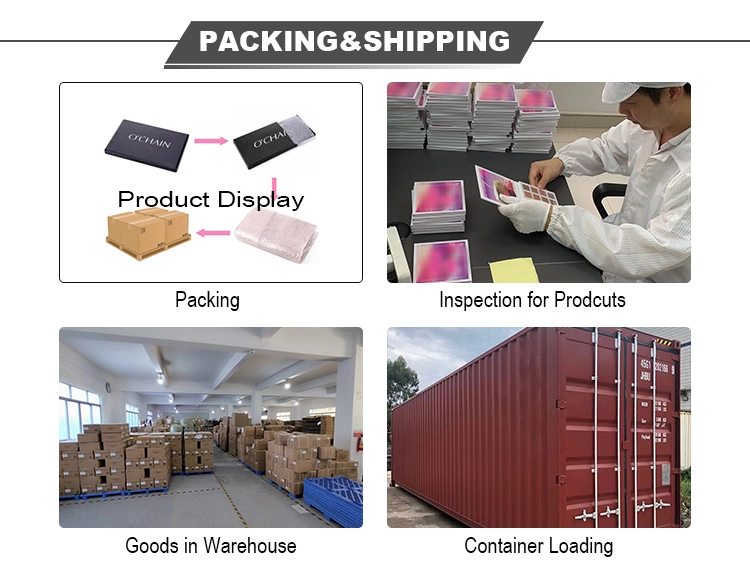
2. Packaging standardization: Before the packaging materials are brought in, they must undergo appearance and sealingity inspections. Only those that pass the inspections can be used. The packaging process must be carried out strictly in accordance with the operating procedures to ensure that the labels are neatly attached and the information is accurate, with no cases of incorrect or missed labeling. After the packaging is completed, a comprehensive inspection of the product's appearance and sealingity must be conducted to eliminate any damaged, improperly sealed, or abnormal labeled products.
3. Post-packaging disinfection: After the products are packaged, they need to undergo ultraviolet disinfection treatment to ensure that the product surface is sterile. After disinfection, they are transferred to the finished product storage area, and the disinfection time, batch number, etc. are recorded simultaneously to achieve traceability of the packaging process.
V. Standardized Production Process Control Procedure (Process Assurance)
Core requirement: Establish a standardized control system for the entire production process, clearly define the operation procedures and responsibility divisions for each stage, ensure that the production process is monitorable and controllable, and prevent any violations.
1. Position standardization: Clearly define the responsibilities, operation procedures and assessment standards for each production position. Before starting work, operators must undergo professional training and can only start working after passing the assessment; Regularly conduct position training, aligning with international advanced operation standards, to ensure that operators operate in a standardized manner.
2. Process standardization supervision: Quality control personnel conduct on-site supervision throughout the process, focusing on controlling key steps such as ingredient preparation, filling, and disinfection. They promptly stop and rectify any violations, and simultaneously record the supervision situation. A production anomaly handling procedure is established. Once an anomaly occurs, production is immediately halted, the problem is investigated, and rectification is carried out. Only after passing the inspection can production resume.
3. Standardization of Cleaning and Disinfection: Develop daily, weekly, and monthly cleaning and disinfection plans, clearly defining the scope, methods, frequency, and responsible persons for cleaning and disinfection; after the production process is completed, thoroughly clean and disinfect the production equipment and workshop environment, retain the cleaning and disinfection records, and ensure that the production environment and equipment are sterile and clean.
VI. Standardized Product Inspection and Outbound Process (Terminal Assurance)
Core requirement: Establish standardized procedures for product inspection, storage, and outbound delivery to ensure that every batch of products is qualified before leaving the factory, and to prevent any non-compliant products from entering the market, thereby safeguarding the reputation of the factory and its cooperative brands.
1.Standardized inspection of finished products: Before the finished products are dispatched from the warehouse, a "three-level inspection" system is implemented, namely self-inspection by quality control, re-inspection by the department, and random inspection by a third party. The inspection items cover sensory, physical and chemical, microbiological, and heavy metal aspects, and the inspection standards are higher than national and industry standards. Only after passing the inspection can the dispatch certificate of qualified products be issued.
2. Standardized storage of finished products: Finished products are stored by category, batch, and expiration date in separate areas. The "First In, First Out (FIFO) + Expiry Priority" principle is implemented. The storage temperature and humidity are continuously monitored throughout the process. Periodic inspections of finished products are conducted to promptly identify and remove expired or deteriorated products. Expired products are disposed of in accordance with compliance requirements and records are kept.
3. Standardized Outbound of Finished Products: Before outbound, verify the batch, quantity, and specifications of the finished products to ensure they are consistent with the order; during outbound, make proper outbound records, clearly indicating the outbound time, recipient, transportation method, etc., and synchronously connect with the logistics to ensure the safety and cleanliness of the finished product transportation process, and achieve traceability of the outbound process of the finished products.