Start by Asking the Right Question: Can You Sell It?
Before thinking about brand names, logos, or fancy packaging, you need to answer one basic question:
Will someone actually pay for this product?
This is where many beginners make mistakes. They invest money into branding, websites, and packaging before they even know if their product will sell.
Instead, focus on product demand first.
What You Should Do First
Look at real platforms where people buy makeup: TikTok, Instagram, Amazon, Shopee, or beauty forums
Read comments, not ads
Pay attention to repeated questions like:
"Does this last on oily skin?”
"Is it good for beginners?”
"Is there a cheaper version?”
These questions show real demand.
Keep It Simple
You don't need to solve every problem. You just need to solve one clear problem better or more affordably.
Examples:
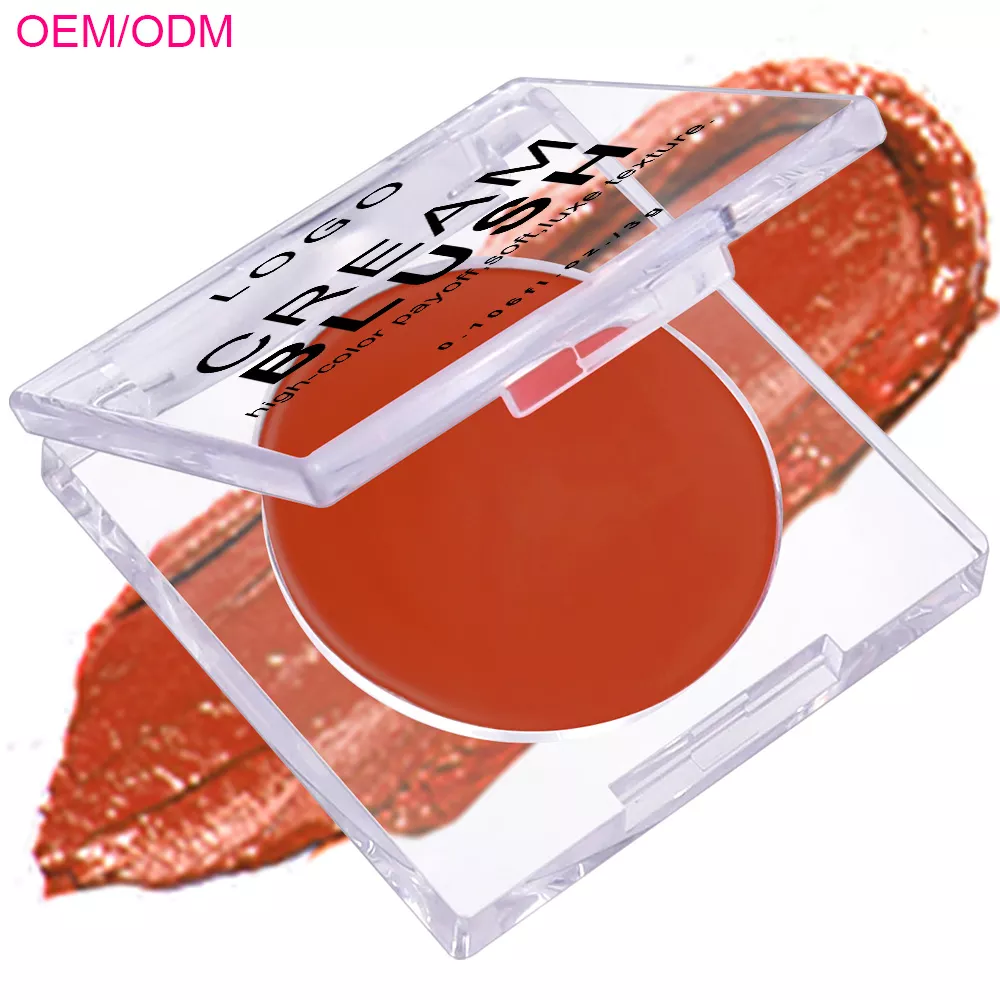
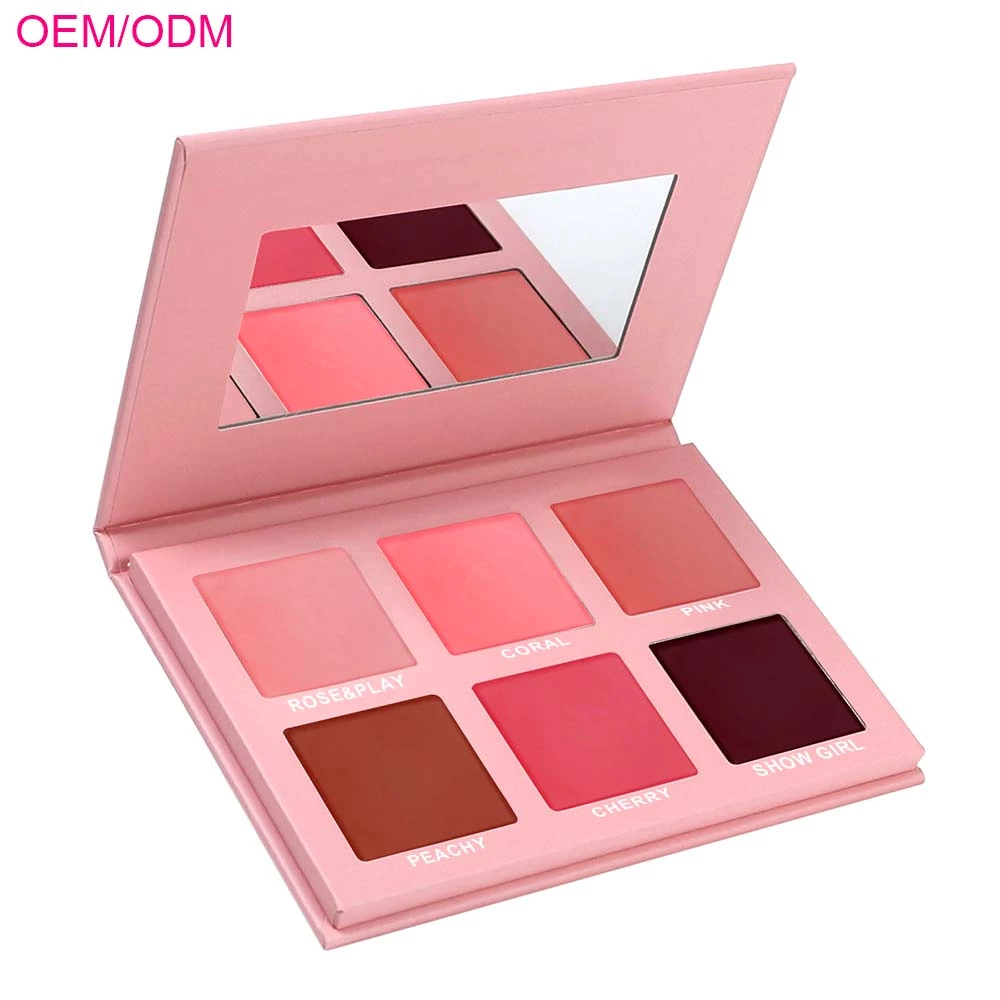
A blush that's easy for beginners
A setting powder that works in hot weather
A concealer that doesn't look heavy
Choose a Niche That Fits a Small Budget
Trying to launch a "full makeup brand" is expensive and risky. For small businesses, niche focus is your advantage.
A niche helps you:
Control costs
Speak clearly to one group of customers
Test faster with fewer products
Better Niche Ideas for Beginners
One product category: blush, concealer, powder, highlighter
One skin type: oily skin, dry skin, sensitive skin
One use case: everyday makeup, stage makeup, summer makeup
One customer group: students, beginners, working professionals
What to Avoid at the Beginning
Too many SKUs
Complex skincare formulas
Products that require heavy education or clinical proof
Simple products are easier to explain, cheaper to produce, and easier to sell.
Focus on the Product, Not the Brand (At First)
In the early stage, your product matters more than your brand story.
Customers don't care about your brand mission if the product doesn't work.
Smart Product Strategy
Use proven, stable formulas
Start with private label or OEM products
Avoid "exclusive formulas" at the beginning — they cost more and take longer
Your goal is to:
Make sure the product works
Make sure people like it
Make sure people buy it again
Branding can come later.
How to Work with Factories for Small Orders
You don't need the biggest factory. You need the right factory.
What to Look for in a Factory
Low MOQ (small minimum order quantity)
Ready-made formulas
Experience with
private labelClear communication in English
Willingness to support beginners
What You Should Not Ask for at the BeginningCustom molds
Complex packaging
Fully custom formulas
Multi-country certifications
These things can wait.
A Smarter Approach
Use existing shades and formulas
Start with 50–300 units
Test the market first
Upgrade later when sales are stable
Factories respect clients who grow steadily — not those who overpromise and disappear.
Packaging: Clean Is Better Than Fancy
Packaging is important — but it doesn't need to be expensive.
At the beginning, your packaging should be:
*Clean
*Clear
*Not cheap-looking
*Easy to produce
*Budget-Friendly Packaging Ideas
*Standard compacts or tubes
*Simple labels
*Neutral colors
*Minimal design
Avoid:
Custom molds
Heavy decoration
Over-designed boxes
Many customers actually prefer simple, modern packaging.
Do Only the Minimum Required for Compliance
Legal requirements are important — but you don't need to do everything at once.
Focus on Basic Requirements
Ingredient list
Product name
Net weight
Manufacturer or distributor info
Choose one target market first, such as the US or one local region.
Once your product sells consistently, you can expand compliance later.
Choose One Sales Channel and Do It Well
You don't need to sell everywhere.
Trying to manage a website, marketplaces, and social media all at once often leads to burnout.
Best Channels for Beginners
TikTok or Instagram (short videos)
Direct messages and DTC sales
Simple Shopify store
Focus on one channel until it works.
Market the Result, Not the Story
In the beginning, customers don't care who you are. They care about results.
Content That Works
Before and after
Real application videos
Skin texture close-ups
Comparisons with similar products
"Beginner-friendly" tutorials
Avoid:
Over-polished ads
Big promises
Heavy brand storytelling
Real content builds trust faster.
Use Data, Not Feelings, to Make Decisions
Small businesses don't have money to guess.
Watch these numbers:
Repeat orders
Customer feedback
Organic shares
Refund rates
If something isn't working:
Don't add more money
Change the product, price, or message
Testing is success. Failure without learning is not.
When to Upgrade to a Real Brand
Branding should come after you have proof.
Upgrade when you have:
Stable sales
Clear customer profile
Repeat buyers
One or two hero products
Then you can invest in:
Better packaging
More SKUs
Strong brand identity
Long-term factory partnerships
What Manufacturers Can Offer to Small Beauty Businesses
Good manufacturers don't just make products — they help businesses grow.
What Factories Can Support
Low MOQ production
Private label solutions
Shade matching
Formula adjustments
Packaging sourcing
Basic compliance guidance
Scalable production as you grow
A
good factory grows with you — not against you.
Final Advice for Beginners
Starting small is not a weakness. It's a strategy.
Remember:
Sell first, perfect later
Start simple, grow smart
Learn fast, adjust faster
You don't need to be perfect. You need to be consistent, realistic, and willing to improve.
Start your cosmetics business today!
Starting a cosmetic business from home can be a super rewarding yet challenging endeavor.
As long as your business venture is driven by genuine passion, there's no reason why you can't have your dream beauty business and thrive in the cosmetics industry.
Once you understand who your target audience is, it's a matter of crafting an innovative marketing strategy to show your audience why they need your products. Nurture your online community and value your customer feedback so that you're constantly improving.
And please message us for more
free sample test.
 Ouqian
 Dec 17,2025